Donkeys

Jack
Jack
Jack
Jack was donated to the farm by a local rescue.
Our original Donkey, His mum was also on the farm but as she was in foal she had to re-homed because Jack, as an adolescent male, was too boisterous with her.
Jack has albino genes, although only one pink eye. This means that sometimes we have to apply sunscreen in the summer to protect
Jack was donated to the farm by a local rescue.
Our original Donkey, His mum was also on the farm but as she was in foal she had to re-homed because Jack, as an adolescent male, was too boisterous with her.
Jack has albino genes, although only one pink eye. This means that sometimes we have to apply sunscreen in the summer to protect him.
Jack was used to being handled from an early age, unlike Gus and Sid this makes him much easier to work with.
Donkeys become depressed if they are by themselves, which is why we re-homed Gus and Sid to give him some companionship.
Gus
Jack
Jack
Gus is a New Forest Donkey. On 28th July 2023, Gus and Sid arrived at Smiles… and what a journey it’s been! When they first came to us, we couldn’t get anywhere near them. They were frightened, unsure and had no reason to trust people.
Fast forward three years, and now we can’t get away from the Gussy kisses! They have become two of the ge
Gus is a New Forest Donkey. On 28th July 2023, Gus and Sid arrived at Smiles… and what a journey it’s been! When they first came to us, we couldn’t get anywhere near them. They were frightened, unsure and had no reason to trust people.
Fast forward three years, and now we can’t get away from the Gussy kisses! They have become two of the gentlest, most affectionate donkeys you could ever meet, bringing smiles to children and families.
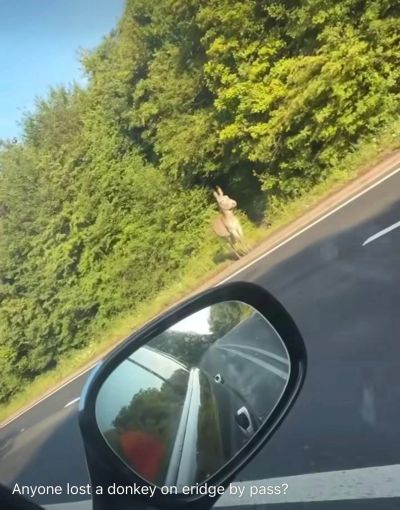
Of course, we can’t forget The Great Donkey Escape of 2026! Along with Jack, they decided farm life wasn’t exciting enough and embarked on a tour of Eridge, leaving volunteers, local residents and even the police helping to bring our escape artists home. Safe to say… they haven’t lived that one down!
They are living proof of what patience, consistency and unconditional love can achieve. Every cuddle they now give is thanks to the incredible volunteers who have spent countless hours earning their trust.
Sid
Jack
Sid
Sid is a New Forest Donkey. On 28th July 2023, Gus and Sid arrived at Smiles… and what a journey it’s been! When they first came to us, we couldn’t get anywhere near them. They were frightened, unsure and had no reason to trust people.
Fast forward three years, They have become two of the gentlest, most affectionate donkeys you could ever
Sid is a New Forest Donkey. On 28th July 2023, Gus and Sid arrived at Smiles… and what a journey it’s been! When they first came to us, we couldn’t get anywhere near them. They were frightened, unsure and had no reason to trust people.
Fast forward three years, They have become two of the gentlest, most affectionate donkeys you could ever meet, bringing smiles to children and families.
Of course, we can’t forget The Great Donkey Escape of 2026! Along with Jack, they decided farm life wasn’t exciting enough and embarked on a tour of Eridge, leaving volunteers, local residents and even the police helping to bring our escape artists home. Safe to say… they haven’t lived that one down!
They are living proof of what patience, consistency and unconditional love can achieve. Every cuddle they now give is thanks to the incredible volunteers who have spent countless hours earning their trust.
The Great Donkey Escape of 2026!
Sunday 7th June 2026
Of course, we can’t forget The Great Donkey Escape of 2026! Along with Jack, they decided farm life wasn’t exciting enough and embarked on a tour of Eridge, leaving volunteers, local residents and even the police helping to bring our escape artists home. Safe to say… they haven’t lived that one down!