
Rabbits

Dora the Explorer
Dora the Explorer
Dora the Explorer
Dora likes to dig, hence the name and it's why we have had to put slabs in their pen.
She was born on the farm December 2022 (they have an expected 8-10years lifespan)
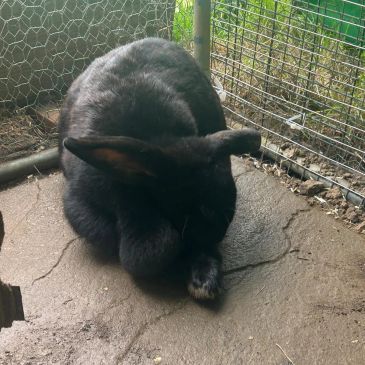
Shadow
Dora the Explorer
Dora the Explorer
She is black, hence her name. She was born on the farm December 2022 (they have an expected 8-10years lifespan)
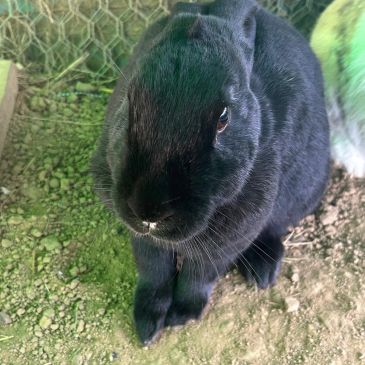
Matrix
Dora the Explorer
Marmite
He is Black
Re-homed from Eastbourne Rabbit and Guinea pig rescue in 2025, approximately 2 years old (they have an expected 8-10years lifespan).
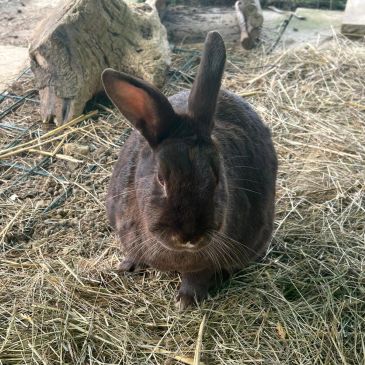
Marmite
Dora the Explorer
Marmite
He is Brown
Re-homed from Eastbourne Rabbit and Guinea pig rescue in 2025, approximately 2 years old (they have an expected 8-10years lifespan).
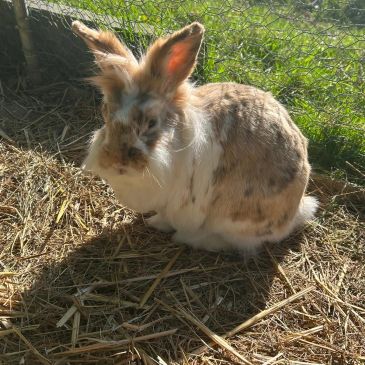
Mauve
Marshmallow
Marshmallow
He is Mixed
Re-homed from Eastbourne Rabbit and Guinea pig rescue in 2025, approximately 2 years old (they have an expected 8-10years lifespan).
Marshmallow
Marshmallow
Marshmallow
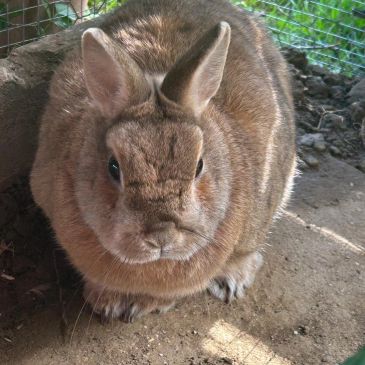
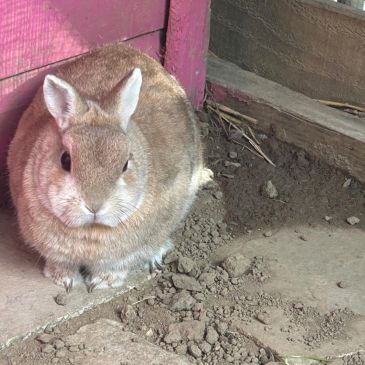
On Tuesday 6th October 2026 we acquired two new rabbits called marshmallow and bun they are Netherland dwarf rabbits and they’re three years old! They are very very sweet and do like to be handled!
The Netherland Dwarf breed was first produced in the Netherlands in the early 20th century. Small Polish rabbits were bred with smaller wild r
On Tuesday 6th October 2026 we acquired two new rabbits called marshmallow and bun they are Netherland dwarf rabbits and they’re three years old! They are very very sweet and do like to be handled!
The Netherland Dwarf breed was first produced in the Netherlands in the early 20th century. Small Polish rabbits were bred with smaller wild rabbits; after several generations the resulting animal was a very small domestic rabbit available in a wide variety of colours and patterns. Netherland Dwarfs were first imported into the United Kingdom in 1948.
Bun
Marshmallow
Bun
On Tuesday 6th October 2026 we acquired two new rabbits called marshmallow and bun they are Netherland dwarf rabbits and they’re three years old! They are very very sweet and do like to be handled!
The Netherland Dwarf breed was first produced in the Netherlands in the early 20th century. Small Polish rabbits were bred with smaller wild r
On Tuesday 6th October 2026 we acquired two new rabbits called marshmallow and bun they are Netherland dwarf rabbits and they’re three years old! They are very very sweet and do like to be handled!
The Netherland Dwarf breed was first produced in the Netherlands in the early 20th century. Small Polish rabbits were bred with smaller wild rabbits; after several generations the resulting animal was a very small domestic rabbit available in a wide variety of colours and patterns. Netherland Dwarfs were first imported into the United Kingdom in 1948.